A cracked windshield has a way of turning your week sideways. One minute you are sipping coffee at a stoplight, the next a truck flips a stone that blooms into a three-inch crack. If you drive for work, shuttle kids, or live where temperatures swing 30 degrees in a day, waiting around for an appointment can stretch a small problem into a bigger one. The good news: most scheduling delays are avoidable with the right preparation, a smart request for a Windshield Quote, and a clear understanding of how shops plan their day.
I have run service desks and met techs in parking lots at sunrise. I have watched jobs jump the line because a part arrived early, and I have seen week-long delays from a tiny missing clip. The patterns repeat. This guide distills those lessons into a practical playbook so you can get your Auto Glass Replacement done quickly, safely, and without surprise downtime.
Why delays happen more often than they should
Scheduling friction usually comes from one of four places. Parts availability, calendar congestion, incomplete vehicle information, or special requirements that surface late. Any one of those can stall your Windshield Replacement by a day. Two together can turn into a week.
Parts availability is the quiet culprit. Modern windshields are not generic panes. They integrate rain sensors, acoustic interlayers, heads-up display zones, lane camera brackets, third visor frits, and sometimes heating elements. One trim level uses acoustic glass while the base model does not. A shop can see your model and year, but if they order the wrong glass once, they will not gamble again. They will wait to confirm your features, which means your appointment sits pending.
Calendar congestion is predictable. Monday after a hailstorm. Friday afternoons before holiday weekends. The first cold snap when hairline chips crack across spreading stress lines. Good shops triage, taking unsafe damage first, but even with triage, they only have so many mobile crews and bay slots.
Incomplete vehicle info creates avoidable ping-pong. If the scheduler has to call three times to ask whether you have a humidity sensor, your place in line can slip while they chase details. And if they guess, you might end up rebooking when the wrong glass arrives.
Finally, special requirements. Some cars need ADAS camera recalibration after glass replacement. Some luxury models require drying time for specific adhesives or a controlled environment. If those needs enter the conversation late, your morning slot becomes a next-week slot.
The fix is not magic. It is preparation and clear communication, backed by a realistic plan for your day of service.
Know your glass, know your timeline
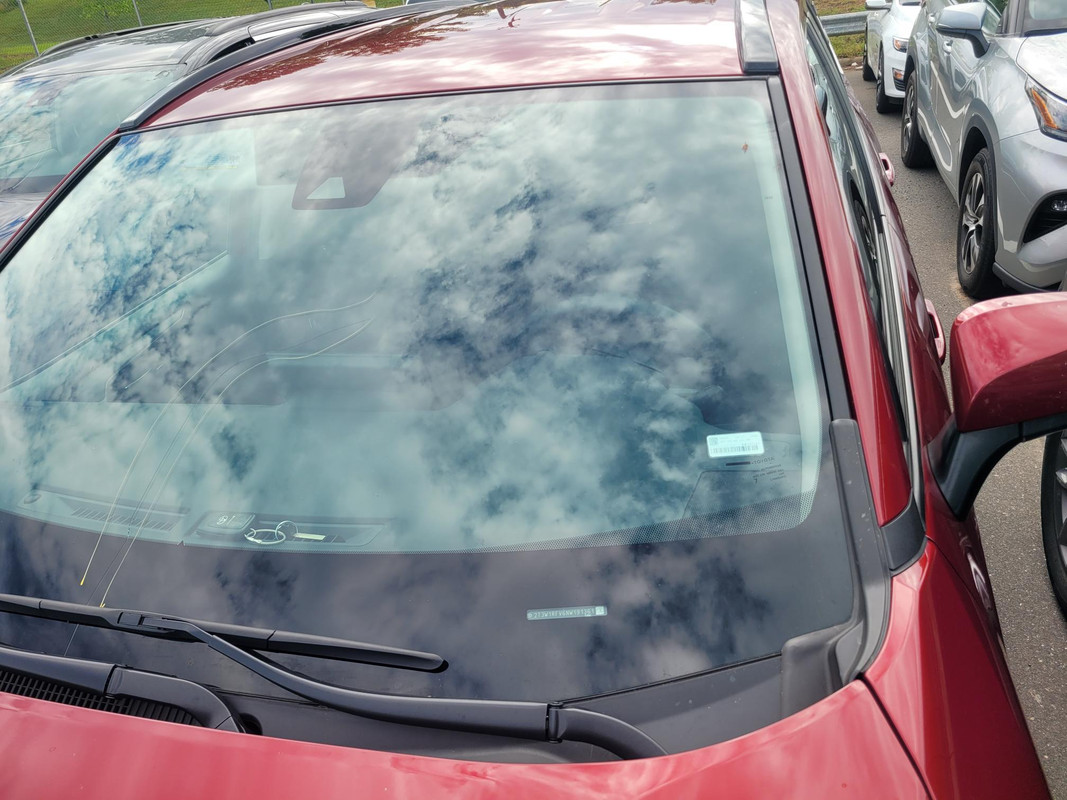
A clean, accurate Auto Glass Quote sets the tone. When you request a Windshield Quote, give the information that matters most to parts and scheduling. Year, make, model, trim, and the last eight of the VIN. If you have it, a photo of the windshield from outside, plus a close-up of the rearview mirror area, tells the shop what they need to know about brackets and sensors. If you are unsure whether your car has rain sensing wipers or a forward camera, look for a small square or rounded module on the inside of the windshield near the mirror. It is okay not to know the vocabulary, a photo is better than guesswork.
Two details commonly change both price and timeline. Acoustic glass and ADAS calibration. Acoustic glass has a laminated layer that cuts cabin noise. Many mid-trim models include it, and it costs a little more and sometimes ships from a different warehouse. ADAS calibration is the big swing. If your car has a front-facing camera, your shop may need static or dynamic calibration, sometimes both, to keep lane-keeping and emergency braking aligned. Static calibration requires a target board and a level, well-lit bay. Dynamic requires a road drive at a steady speed. Either one can add 60 to 120 minutes and may limit same-day mobile options.
Ask directly, early: Do I need calibration on my car, and can you perform it in the same appointment? If the shop has to sub out calibration to a dealer, you want that on the schedule now, not after the glass is installed.
The difference between urgent and important damage
Not every crack deserves the same urgency. A chip the size of a pencil eraser away from the edge can often wait a few days. A crack that intersects the driver’s line of sight or reaches within two inches of the edge should not. Edge cracks can grow quickly because of body flex and temperature changes. In many states, driving with a large obstructive crack risks a ticket. Insurance carriers tend to follow safety standards such as AGRSS and OEM guidelines, which focus on structural integrity and visibility. Safety-first shops use these standards to triage.
If you must drive before replacement, and the crack is stable, avoid slamming doors with windows up, try not to blast the defroster directly on the crack, and park out of direct sun. Sudden thermal swings can lengthen the break within minutes. Those small precautions can buy you the day or two you need to get on the schedule without emergency fees.
How to shortcut the parts question with a single message
Speed is all about giving the shop enough data to move without calling you back. When you submit your request online or by text, include a brief, complete packet. Keep it simple, but aim for no follow-up questions.
Here is a short checklist that reliably cuts two or three back-and-forths:
- VIN, year, make, model, trim; photos of the windshield outside and the sensor/mirror area inside; if the car has heads-up display or rain sensors, say so; confirm if you have heated wiper park or acoustic glass if known. Your location for mobile service or that you will come to the shop; indoor parking height if using a garage; any gate codes or parking instructions. Your time windows over the next three days, with a best phone number for day-of updates.
That one message lets the scheduler order the right part and slot you in the right bay with the right tech. If your vehicle is one of the common curveballs, like a 2018 to 2022 SUV that changed sensor brackets mid-year, the photos will solve it before the order goes out.
Mobile versus in-shop, and why the choice changes your wait
Mobile service is convenient, but it is not always faster. If you need ADAS calibration, many shops prefer to do it in-shop where they can control the environment and use their targets. Rain or high winds can pause a mobile job, since urethane adhesives need a clean, dry bond surface. Some adhesives have a safe drive-away time as low as 30 minutes, others two to four hours depending on temperature and humidity. Shops plan routes around those limits. A late-day mobile job that needs a two-hour cure time could push to another day.
When speed matters most, ask the scheduler which option gets you behind the wheel sooner, not just which is easier. If you can bring the car in early and leave it, many shops can work it into gaps. That flexibility can turn a three-day wait into a same-day finish.
Weather and the cure clock
Adhesive cure time is one of those hidden schedule drivers. The tech cannot cheat it, and you should not ask them to. Safe drive-away time depends on the urethane brand, bead size, temperature, and humidity. Most installers follow the product’s tested intervals. On a mild day in the 60s to 80s Fahrenheit with moderate humidity, an hour is common. On a cold morning in the 30s, plan for two to four. Some high-modulus urethanes cure slower but give better stiffness and sound performance. Shops often switch formulations seasonally.
If your day is tight, tell the shop your hard stop and ask about the cure clock. They can schedule you earlier, use a product suited for the conditions, or advise you to wait in a warm bay. The main thing is to leave the car closed and avoid slamming doors during cure. Negative pressure can break the fresh bond.
Insurance, networks, and the speed factor
If you are going through insurance, time savings depends on who handles the claim. Most carriers route glass claims through a network administrator. That adds a step, but it does not have to add a day. Call your carrier first, open the claim, and tell them the shop you want. If the shop is in-network, authorizations can happen in minutes. If it is out-of-network, the shop may need to send your Auto Glass Quote for approval. That can add 24 to 48 hours.
Two tips help. Ask your carrier for the claim number and provide it to the shop during the first call. And authorize the shop to handle billing directly so you are not the middle person. If you are cash-pay, keep it simple. A card on file with the scheduler removes a last-minute pause waiting for payment.
The dealer glass myth
People sometimes assume dealer glass is required and therefore slows the schedule. Dealer glass can be the right choice for rare trims, complex HUD windshields, or when the OEM has a unique frit pattern that aftermarket suppliers do not replicate well. But reputable aftermarket brands often supply the OEMs and meet the same fit and optical criteria. The more important factor is getting the correct part for your VIN and features. If the dealer has two in stock and your shop can pick one up today, great. If not, a high-quality aftermarket part from a distributor across town might put you back on the road faster with no compromise.
Ask the shop what they recommend and why. A transparent answer beats a label.
Calibrations without surprises
Advanced driver assistance systems are here to stay, and they add an extra layer to scheduling. Static calibration requires a level floor, correct lighting, precise distances, and targets placed to millimeter specs. Dynamic calibration can be delayed by traffic, construction, or weather if the road conditions do not allow steady speed. Shops that do this daily build those realities into their schedule. If your car needs both, expect the work to take most of a morning or afternoon.
Make sure the calibration is part of the Windshield Replacement plan, not a separate errand later. Ask how they document it. Many shops provide a calibration report. It is useful to keep, especially if you sell the car or need to show proof after a collision repair.
How to read a Windshield Quote without slowing things down
A clear Auto Glass Quote should list the glass part type, moldings or clips, labor, calibration if needed, mobile fee if any, taxes, and the safe drive-away time or urethane brand. If you see a single flat number with no detail, request a breakdown. You are not bargaining so much as confirming scope. Hidden items cause day-of revisions. Clips and moldings matter, particularly on vehicles whose moldings bend or tear during removal. A shop that includes them when likely is doing you a favor. It means fewer surprises and less rescheduling if they cannot salvage the old trim.
If two quotes differ by a lot, look for differences in glass type, calibration inclusion, or mobile versus in-shop. Ask each shop the same two questions: Is this the right part for my VIN and features, and can you confirm the calibration plan and timeline?
The morning drop, the afternoon pickup, and why the first slot wins
The earliest appointment in the day sets the rhythm for the shop. When you are in that spot, you benefit from slack time that they still have available. If the part arrives, the glass goes in, and calibration finishes on schedule, you are back on the road by midday. If a clip breaks or the camera needs an extra pass, there is still time to make it right without sliding into tomorrow.
If your calendar allows, aim for first thing in the morning and be on time. If you are scheduling mobile service, choose a location where the tech can work without moving the car and where wind and rain are not a factor. Garages with low ceilings can be tricky for SUVs and vans; measure your clearance. Street parking works if the tech has safe space to open doors fully and place their stands.
Special cases that change the game
Every so often, the vehicle introduces quirks that affect scheduling. Here are a few examples that come up in real life.
A luxury sedan with a frameless rearview mirror and multiple camera housings may require specific release tools and a fresh adhesive kit for the mirror button. West Columbia mobile auto glass service If the shop does not stock that kit, they will order it. Tell them upfront if the mirror houses features like driver monitoring, rain sensors, or an electronic toll reader.
A high-roof van in winter may need a heated bay for adhesive cure and ladder clearance. That narrows the number of shops that can take you same day. Call ahead, ask about bay height, and be ready to drop the van early.
Older trucks sometimes have rust at the pinch weld where the glass sits. Good techs will not bond over rust. They sand, prime, and let the primer flash per spec. That adds time. If your truck shows bubbling paint near the glass, mention it. Scheduling an extra 30 to 60 minutes for prep keeps your day predictable.
Aftermarket rain sensors cannot always be reused when glass changes. If yours was an add-on, tell the shop. They may recommend a compatible sensor pad or replacement part to avoid ghost wiper sweeps in the next storm.
Communication that keeps you at the front of the line
Schedulers handle dozens of calls a day. The customers who get fastest service share three habits. They respond quickly to requests for information, they provide flexible time windows, and they keep their phones on day-of. If you miss a confirmation call, the shop might move to the next job to keep their techs busy. Answering a text with a simple “Yes, confirm 8 to 10” can hold your spot.
Ask for a live status the day before. A short message like “Just confirming tomorrow at 8, any tracking on the glass?” prompts the desk to check part arrival. If a shipment slid, you will know early enough to adjust.
If you need to reschedule, give them as much lead time as possible. A no-show creates a dead zone. A 12-hour heads-up lets them fill your slot and keeps you in their good graces for the next opening.
Safety first, speed second
It is tempting to nudge a tech to finish a bit quicker, especially when your day stacks up. Resist that urge. Proper prep, bead application, and placement are not where you want to shave minutes. Neither is a calibration drive that needs another 10 miles to settle. Let the process work. What you can do is remove other friction. Empty your glove box and the area around the A-pillars, pull car seats if practical, and have your keys ready. Little things add up.
If your state requires inspection or you rely on toll tags and stickers on the old glass, ask the tech for help transferring them. Some stickers will not survive the move. Have replacements ready where possible. Replacing a toll tag stops surprise bills later.
A simple timeline for fast turnaround
You can compress the entire cycle from quote to safe drive-away into 24 to 48 hours in many markets. Here is a lean, realistic sequence that often works.
- Morning Day 1: Send the shop a complete request for a Windshield Quote with your VIN, photos, location, and time windows. If using insurance, open the claim and give the number to the shop. Midday Day 1: Approve the quote, confirm calibration details, and provide payment method. Ask for first available morning slot in-shop if calibration is needed. Afternoon Day 1: Shop orders glass and related parts. They confirm part arrival ETA and place you on the schedule. Morning Day 2: You drop the car or meet the mobile tech. The installation proceeds, followed by calibration if required. You observe the safe drive-away time and drive away by midday or early afternoon.
That sequence is not a promise, but it is achievable when both sides do their part. If weather, parts, or unusual features intervene, you still benefit from this structure. The shop knows you are prepared, and they will often place you at the top of the list when the part lands.
When a delay is actually a favor
Occasionally, a shop will ask to push your appointment a day. It can be frustrating. Ask why. Sometimes the answer is that the glass arrived with a blemish. Maybe the black ceramic frit is marred, or a corner chipped in transit. A shop that refuses to install flawed glass is doing you a favor. Optical distortion in a HUD zone or a rough edge that complicates a future removal is not something you want glued to your car for years. Accept the delay, and thank them for the catch.
The same goes for shops that insist on proper curing time or recalibration. Shortcuts here do not save time, they shift the risk to you.
The quiet advantage of local relationships
If you live in one place for a while, build a relationship with a nearby glass shop. Even a single positive job where you show up on time, communicate clearly, and pay promptly puts you on their mental list of easy customers. The next time a rock finds your windshield, you are not a stranger. When I ran scheduling for a mobile crew, I could often squeeze a familiar customer into a late-morning window because I knew they would be ready, and I trusted their information. Relationships do not trump safety or policy, but they make the day smoother for everyone.
Final thoughts that help you move faster next time
You do not need to become an expert in laminates or camera target boards to avoid scheduling delays. You just need a few habits. Give complete information up front. Ask about calibration early. Choose in-shop when it is faster, not just when it is convenient. Respect the adhesive cure window. Keep communication tight.
If you are shopping around for an Auto Glass Replacement, use the Windshield Quote not only to compare price but to test readiness. The shop that asks good questions about your sensors, offers an integrated calibration plan, and gives you a specific time window is likely to deliver the quickest, cleanest experience. And if they tell you that tomorrow is better than today because the right glass will land overnight, that is the kind of delay that saves you time in the end.